

Highlights to visit







Ephesus
 Like a Queen bee, Artemis, the Anatolia goddess of fertility, was worshiped for her fecundity. Ancient statues portray her with exaggerated hips, genital organs, and breasts (sometimes she is many-breasted). Even the structure of the worship of Artemis has been compared to that of a beehive, with the drones serving their Queen.Originally Artemis was a Phrygian nature-goddess.
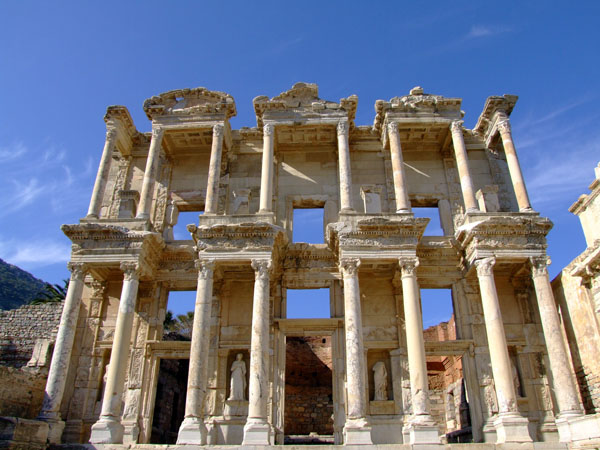
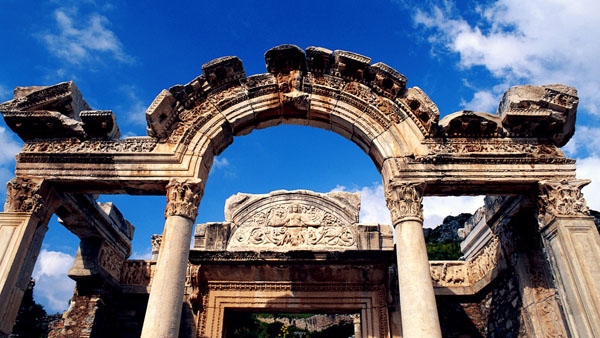
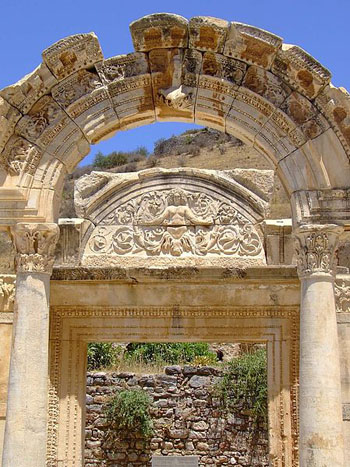
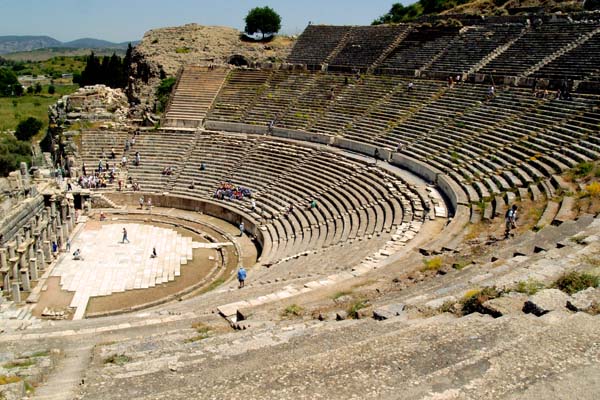
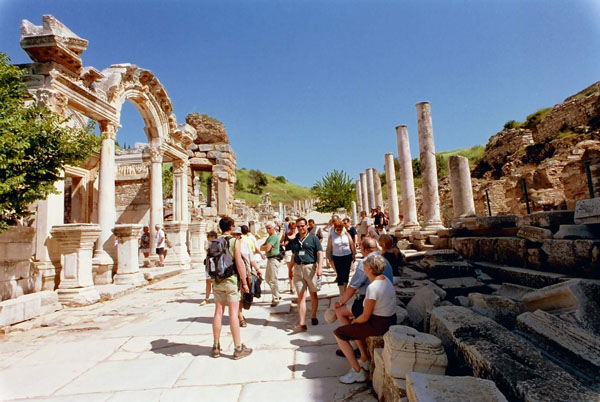
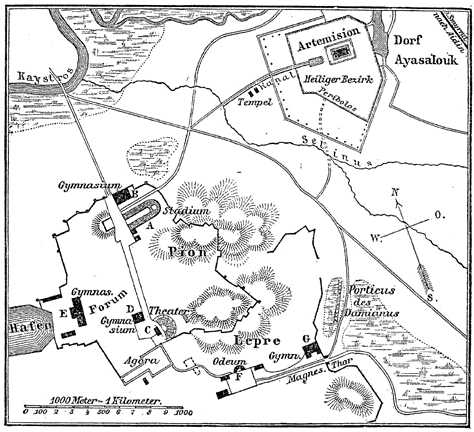
Their cult-worship of her sometimes took a violent turn when blood drawn from the throat of a male victim was offered in her honor. Gradually, Greek settlers absorbed her into their mythology and Artemis became a vital part of their lives. She also had powers to inflict and heal illness. She was held especially dear as the goddess of childbirth, protector of the newly born and the unborn. According to the antique era writers Ephesus was found around 3000 B.C. Ephesus was among the important harbor cities of the period. The Ionians which had settled on the Agean coast after the Dor invasion, settled in Ephesus. In the period of the Lydian reign they developed their city.The traces of the Ionian, Roman, Byzantian.Seljuks and Ottoman civilizations can still be seen today.
After the earthquake during the Roman period the people of Ephesus cultivated their city in the time of Tiberius. But this time instead of a Hellenistic construction style all of Ephesus was filled with constructions reflecting the Roman character. Ephesus which was growing more important politically and commercially, became an important religious center with the arrival of Virgin Mary and the fact that St. Jean lived there.Ephesus is in the boundries of the district of Selcuk today.As we have mentioned above Ephesus and Selcuk are the richest cities in terms of historical and archeological constructions with their remains from almost every civilization. Especially the Ephesus ruins and the Ephesus Museum attract a great number of tourists with the works of art they possess.


